
Backfilling a retaining wall

Backfilling a retaining wall
Existing soil backfill
The most economical backfilling a retaining wall is the existing soil on site. If the material is gravel, it can be used for the whole backfill process. In most cases, the existing material is not suitable to cover the drain but can be used to backfill from the stone fill over the drain. The backfill material is to be filled in 300mm layers and consolidated by a vibrating plate over the drainage fill and a roller over the main soil fill.
Drainage backfilling
The fill material to cover the perforated drainage pipe up to the surface of the wall is to be a free drainage fill. Free drainage fill includes clean gravel and clean 20mm to 50mm stone. Clean means no fines, so the voids between the stone material allow water to flow through to the drain.
Protecting the drainage fill and drain from soil fines
If soil fines are allowed to move from the soil and into the drainage fill and drain, the fines will block water from flowing freely and cause hydrostatic pressure to build up, which can cause the retaining wall to fail.
Terran 1000 is a geotextile material that allows water to pass through it, but does not allow soil fines to pass through it. Terran 1000 can be placed over the existing soil slope, and the drain before any soil backfilling takes place.

Soil reinforcement back filling
Fill to be used for soil reinforcement must be to BS 6031:2009. The standard fill for soil reinforcement is type 6I. The details from the standard are below.
BS 6031:2009 Code of practice for earthworks
For reinforced soil and anchored earth structures
6H Selected granular material used for the drainage layer
6I Selected well-graded granular material used for fill
6J Selected uniformly graded granular material used for fill
Grading Requirements for backfilling a retaining wall
125mm 100
75mm 85 – 100
14mm 25 – 100
2mm 15 – 100
600 microns 9 – 100
63 microns <15
15% of clay is permissible within the material
The fill is to be compacted with a vibrating roller in 200mm layers.
Existing site soil can be used for soil reinforcement but must be tested for suitability by a geotechnical engineer.
Backfilling a retaining wall material images

6I used for soil reinforcement fill
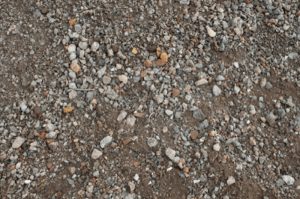
Recycled 6I used for soil reinforcement fill
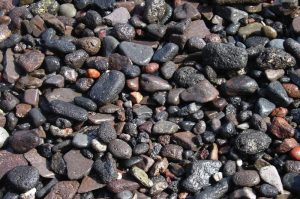
River bed gravel used for drainage fill
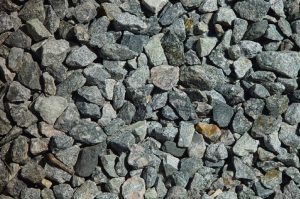
Stone gravel used for drainage fill

40mm clean limestone used for drainage fill

- Author:
- Bob Evans
- Job Title:
- Founder
- Company:
- Retaining Wall Solutions
- Last updated:
- May 22, 2025, 6:01 am

